
A Lesson in Timing.
the gifts of inner peace, gratitude and grace in the face of challenge

Dear listeners,
I’d like to share a personal story.
Earlier this month, I attended a meditation retreat in the American West. It was, in many ways, the retreat of all retreats—moving, clarifying, and deeply transformative. It sharpened my perspective, strengthened my resolve, and left me feeling renewed.
Then life had other plans.
Somewhere between two flights and my return to the East Coast, a few insect bites on my legs developed into cellulitis. The cellulitis became complicated and ultimately required hospitalization and an unplanned surgery.
Looking back, I have reflected often on what allowed me to navigate this experience as smoothly as I did.
The first lesson was the importance of awareness.
Even before I was hospitalized, I recognized that something was changing. Symptoms were progressing in a way that felt outside the bounds of my normal experience. I acted quickly. In hindsight, I attribute much of this awareness to years of yoga and meditation practice. Yoga cultivated a familiarity with my body; meditation cultivated a sensitivity to timing. Recognizing when something is wrong—and responding before it becomes a crisis—may have been one of the most important factors in my recovery.
The second lesson was clarity.
When we do not feel well, clear thinking can be surprisingly difficult. Yet accepting “what is” becomes essential. There is a difference between noticing reality and resisting it. Once I accepted that I was seriously ill, my attention shifted naturally toward what needed to be done.
A third lesson involved managing the stories that surround illness.
As news of my condition spread, many people responded with stories of their own experiences or those of friends and family. Some were encouraging; others involved severe complications or poor outcomes. These stories were offered with kindness and concern, yet I was aware of their psychological impact. I found myself needing to navigate not only my physical condition, but also the effect these narratives could have on my mindset.
Instead of focusing on worst-case scenarios, I tried to focus on small victories.
A little less pain.
More movement in my foot.
A normalizing heart rate.
Improved laboratory values.
Better sleep.
Recovery, I learned, often unfolds through small wins accumulated over time.
There was also an interesting tension between faith and action.
Several times during this process, I felt a palpable sense that events were unfolding within a larger order—one that I could not entirely explain. Yet I was equally aware of the danger of becoming passive in the face of that feeling, as though faith required surrendering responsibility.
Instead, I chose active participation.
I took notes during conversations with clinicians. I tracked laboratory results. I asked questions. I sought to understand the reasoning behind treatment recommendations and the range of possible outcomes. I advocated for practical needs when appropriate—whether that meant reducing nighttime interruptions once it was clinically safe, or ensuring adequate nutrition to support wound healing.
Faith, in this context, did not mean sitting back and watching events unfold. It meant participating fully while accepting that there was a greater process occurring I can surrender to..
Perhaps the most unexpected aspect of this experience has been gratitude.
Having worked in hospitals myself, I know how demanding healthcare can be. Throughout my hospitalization, I found myself expressing appreciation repeatedly—to nurses, physicians, patient care technicians, and support staff. Not because they were doing something extraordinary, but because they were doing something difficult with professionalism, kindness, and care.
What surprised me was how often gratitude seemed to change the tone of an interaction. Staff who were not assigned to my care would stop by simply to say hello. Conversations became warmer. The atmosphere felt lighter.
I suspect this has less to do with gratitude itself and more to do with something underneath it: people want to be seen. Clinicians are no different. When we acknowledge one another’s humanity, something meaningful occurs.
So what is the lesson in all of this?
Perhaps it is this:
How can we do difficult things with the greatest amount of ease?
How do we cultivate enough peace of mind that when a challenge arrives—as challenges inevitably do—we can meet it with grace?
How do we build support systems of family and friends who remind us, on difficult days, that we are one day closer to healing?
And how do we create opportunities for rest, even when life seems too busy to allow it?
Five minutes matters.
Ten minutes matters.
A brief nap, an eye mask, earplugs, a quiet walk, a few mindful breaths—these small acts are deposits into a reserve that sustains us physically, emotionally, and mentally.
They add up.
Because of my current circumstances, I am unable to record a new meditation this month. Rather than reposting an older recording, I’ve chosen to pause.
Once I am further along in my recovery, I look forward to returning with new writings and meditations.
Ironically, just before all of this occurred, I attended a retreat that created deep shifts within me. Perhaps this unexpected period of rest is part of the integration process. I am already noticing subtle changes in my work, my relationships, and my perspective. I am curious to see how those changes will find their way into future writings.
Until then, take good care of yourself.
I’ll include a few articles below for reflection and hope to return next month with more thoughts along this theme.
Be well. SL
some readings for your further explorations on the topics above
Kabat-Zinn, J. (2003). “Mindfulness-Based Interventions in Context: Past, Present, and Future.”
A foundational review on mindfulness, awareness, and stress resilience.
Levine GN. (2021) Psychological Health, Well-Being, and the Mind-Heart-Body Connection: A Scientific Statement From the American Heart Association— Summarizes how positive psychological health may support well-being in medical populations (cardiac) and are linked with better health outcomes. https://pmc.ncbi.nlm.nih.gov/articles/PMC3679190/
Diniz G (2023) The effects of gratitude interventions: a systematic review and meta-analysis a paper showing that gratitude interventions can increase a sense of well- being, improve mental health, and reduce symptoms. https://pmc.ncbi.nlm.nih.gov/articles/PMC10393216/?utm_source=chatgpt.com
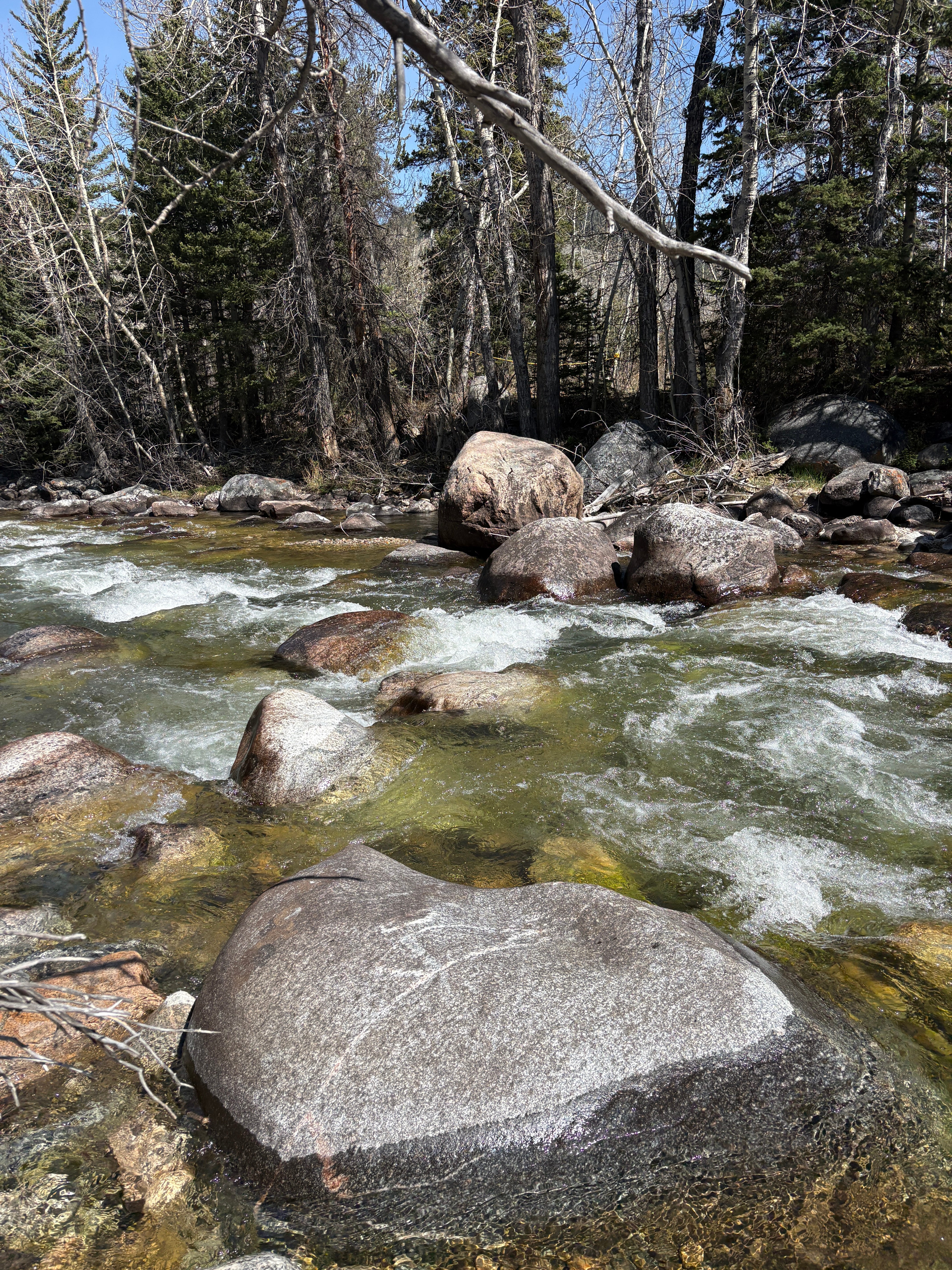
Montana retreat
Sonia, thank you for sharing your experience. It is a timely reminder for all of us during these difficult times. i’m pleased to hear that you’re doing better. I wish the most benevolent outcome for your continued improvement. I also look forward to your next Meditation. Thank you for your presence in my life.
a beautifully written account of the last few weeks. Most Benevolent Outcome!